The manufacturing industry is undergoing a significant transformation. As global competition intensifies, customer expectations evolve, and operational costs continue to rise, manufacturers are increasingly adopting digital technologies to improve efficiency, agility, and profitability.
Digital transformation in manufacturing is no longer a future initiative—it is a business necessity. From smart factories and Industrial IoT (IIoT) to AI-driven analytics and cloud-based ERP systems, manufacturers are leveraging technology to streamline operations, reduce downtime, and gain real-time visibility across their entire value chain.
Organizations that embrace manufacturing digital transformation can improve productivity, enhance product quality, optimize supply chains, and make faster, data-driven decisions. Those that delay risk falling behind competitors that are already leveraging Industry 4.0 technologies to drive growth and innovation.
In this comprehensive guide, we will explore what digital transformation in manufacturing means, its benefits, key technologies, implementation strategies, challenges, and future trends shaping the manufacturing landscape.
What Is Digital Transformation in Manufacturing?
Digital transformation in manufacturing refers to the integration of digital technologies into manufacturing processes, systems, and business operations to improve efficiency, productivity, and decision-making.
Unlike simple digitization, which involves converting paper-based processes into digital formats, manufacturing digital transformation fundamentally changes how organizations operate by leveraging data, automation, and intelligent technologies.
This transformation often includes manufacturing ERP software, Industrial Internet of Things (IIoT), Artificial Intelligence (AI), Machine Learning (ML), advanced robotics, big data analytics, digital twins, and smart manufacturing platforms.
The goal is to create connected, intelligent manufacturing environments capable of responding quickly to changing market conditions while maximizing operational performance.
Why Manufacturing Digital Transformation Matters Today
The manufacturing sector faces several challenges that make digital transformation essential.
Increasing Global Competition
Manufacturers compete not only locally but globally. Digital technologies enable organizations to improve efficiency, reduce costs, and remain competitive in rapidly evolving markets.
Labor Shortages
Many manufacturing companies struggle to find skilled workers. Automation and AI help bridge workforce gaps while improving productivity.
Supply Chain Complexity
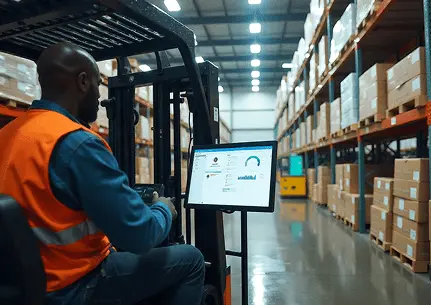
Modern supply chains require real-time visibility and proactive decision-making. Digital solutions provide better control over procurement, inventory, and logistics.
Customer Expectations
Customers expect faster delivery, customized products, and superior quality. Digital transformation enables manufacturers to meet these expectations efficiently.
Sustainability Requirements
Environmental regulations and sustainability initiatives require manufacturers to optimize energy consumption and reduce waste through data-driven operations.
Key Technologies Driving Industrial Digital Transformation
Successful industrial digital transformation depends on the adoption of several advanced technologies.
Industrial Internet of Things (IIoT)
IIoT connects machines, equipment, and sensors to collect real-time operational data.
Benefits include:
- Real-time monitoring
- Predictive maintenance
- Reduced downtime
- Improved asset utilization
Artificial Intelligence and Machine Learning
AI and machine learning analyze large volumes of manufacturing data to identify patterns and optimize operations.
Applications include:
- Demand forecasting
- Quality control
- Predictive maintenance
- Process optimization
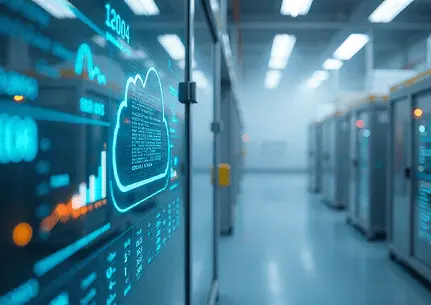
Cloud Computing
Cloud platforms provide secure access to business data from anywhere while reducing infrastructure costs.
Benefits include:
- Scalability
- Lower IT expenses
- Faster deployment
- Enhanced collaboration
Digital Twins
A digital twin is a virtual replica of a physical asset, process, or production environment.
Manufacturers use digital twins to:
- Simulate operations
- Predict equipment failures
- Optimize production workflows
- Reduce implementation risks
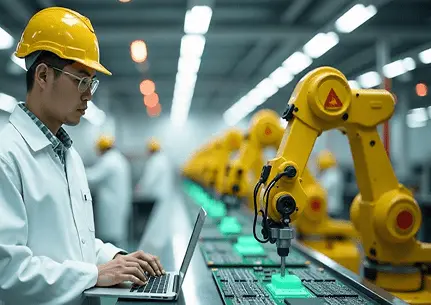
Advanced Robotics
Modern robotics automate repetitive and labor-intensive tasks.
Benefits include:
- Increased productivity
- Improved consistency
- Reduced errors
- Enhanced workplace safety
Big Data Analytics
Manufacturers generate massive amounts of operational data daily. Analytics platforms transform this data into actionable insights.
Organizations can:
- Improve forecasting
- Optimize production schedules
- Reduce waste
- Enhance decision-making
Benefits of Digital Transformation in Manufacturing
The benefits of digital transformation in manufacturing extend far beyond automation.
Improved Operational Efficiency
Connected systems eliminate manual processes and streamline workflows, helping organizations achieve higher productivity with fewer resources.
Reduced Downtime
Predictive maintenance solutions identify potential equipment failures before they occur, minimizing costly production interruptions.
Better Product Quality
Real-time monitoring and AI-powered quality control systems reduce defects and improve consistency.
Enhanced Supply Chain Visibility
Digital systems provide end-to-end visibility across procurement, inventory management, and logistics operations.
Faster Decision-Making
Access to real-time data enables managers to make informed decisions quickly and confidently.
Increased Workplace Safety
Automation reduces employee exposure to hazardous environments and repetitive tasks.
Lower Operating Costs
Optimized processes, reduced waste, and efficient resource utilization contribute to significant cost savings.
Sustainability Improvements
Smart manufacturing technologies help reduce energy consumption, emissions, and material waste.
Industry 4.0 and Digital Transformation
Industry 4.0 represents the fourth industrial revolution and serves as the foundation for digital transformation manufacturing initiatives.
Industry 4.0 combines:
- IoT
- AI
- Robotics
- Cloud Computing
- Big Data
- Cyber-Physical Systems
Together, these technologies create smart factories capable of autonomous decision-making and continuous optimization.
Key characteristics of Industry 4.0 digital transformation include:
Connected Manufacturing Systems
Machines communicate seamlessly across production environments. For manufacturers that need deeper shop-floor visibility and real-time production monitoring, a manufacturing execution system can work alongside ERP and other digital technologies.
Real-Time Visibility
Organizations gain instant access to operational insights.
Intelligent Automation
Systems automatically respond to changing production conditions.
Predictive Operations
Advanced analytics forecast issues before they impact production.
Common Challenges in Digital Transformation Manufacturing Industry
Despite its benefits, digital transformation manufacturing industry initiatives face several challenges.
Legacy Systems
Many manufacturers rely on outdated infrastructure that cannot easily integrate with modern technologies.
Cybersecurity Risks
Connected systems increase exposure to cyber threats and data breaches.
High Initial Investment
Implementing advanced technologies requires strategic investment and planning.
Skills Gap
Manufacturers often struggle to find employees with expertise in AI, data analytics, and digital technologies.
Resistance to Change
Employees may hesitate to adopt new technologies without proper training and communication.
Data Silos
Disconnected systems can prevent organizations from fully leveraging their data assets.
Digital Transformation for Manufacturing: A Step-by-Step Strategy
A structured approach increases the likelihood of success.
Step 1: Assess Current Operations
Evaluate existing systems, workflows, and operational challenges.
Step 2: Define Business Objectives
Identify measurable goals such as:
- Increased productivity
- Reduced downtime
- Improved customer satisfaction
- Lower operational costs
Step 3: Develop a Digital Roadmap
Create a phased implementation plan aligned with business priorities.
Step 4: Invest in the Right Technologies
Select scalable solutions that support long-term growth, including the best ERP for manufacturing based on your production processes, integration needs, and business goals.
Step 5: Integrate Systems
Connect ERP, CRM, production, inventory, and supply chain platforms. A structured ERP implementation for manufacturing helps ensure that these systems are configured, integrated, and adopted effectively across the organization.
Step 6: Train Employees
Invest in workforce development to encourage adoption and maximize value.
Step 7: Measure Performance
Track KPIs such as:
- Overall Equipment Effectiveness (OEE)
- Production Efficiency
- Downtime Reduction
- Inventory Turnover
- Customer Satisfaction
Real-World Manufacturing Industry Digital Transformation Examples
Several leading manufacturers have successfully embraced digital transformation. Real-world examples from Matiyas’ manufacturing ERP projects also show how digital transformation can address operational inefficiencies, inventory-control issues, and disconnected workflows. For example, Wunderkraf’s ERPNext journey demonstrates how a manufacturing business used an integrated ERP approach to improve operations and move toward a more data-driven environment.
General Electric
Implemented Industrial IoT solutions to improve equipment monitoring and predictive maintenance.
Siemens
Uses smart factory technologies and digital twins to optimize manufacturing operations.
Ford Motor Company
Leverages connected production systems and advanced analytics to improve operational efficiency.
Tesla
Integrates robotics, automation, and AI-driven production systems to support large-scale manufacturing.
These examples demonstrate how digital transformation drives operational excellence and competitive advantage.
How Manufacturing Digital Transformation Services Accelerate Success
Many organizations partner with experienced providers offering Digital Transformation in Manufacturing to create a strategic roadmap, implement new technologies, and accelerate ROI.
Manufacturing digital transformation services typically include:
Digital Transformation Consulting
Experts assess current operations and develop strategic roadmaps.
ERP Implementation
Modern ERP systems unify critical business processes into a single platform.
Cloud Migration
Organizations gain flexibility, scalability, and real-time access to data.
System Integration
Connect production systems, supply chains, and enterprise applications.
Business Process Automation
Reduce manual tasks and improve operational efficiency.
AI and Analytics Implementation
Unlock valuable insights through intelligent data analysis.
Companies that partner with experienced transformation providers often achieve faster implementation, reduced risk, and greater return on investment.
Why ERP Is the Foundation of Manufacturing Digital Transformation
An ERP system serves as the central nervous system of a digitally transformed manufacturing organization.
Modern ERP platforms provide:
- Production Planning
- Inventory Management
- Procurement
- Quality Control
- Supply Chain Management
- Financial Management
- Real-Time Reporting
By connecting every department and process, manufacturing ERP software creates a unified source of truth that supports smarter business decisions.
For manufacturers seeking long-term growth, ERP implementation is often the first and most critical step in digital transformation.
Future Trends Shaping Digital Manufacturing Transformation
The next decade will bring even more innovation to manufacturing.
Generative AI
AI systems will assist with production planning, forecasting, and process optimization.
Autonomous Factories
Advanced automation will enable self-optimizing production environments.
Edge Computing
Data processing closer to machines will improve speed and responsiveness.
Hyperautomation
Organizations will automate increasingly complex business processes.
Advanced Digital Twins
Digital replicas will become more sophisticated and accurate.
Sustainable Manufacturing
Technology-driven sustainability initiatives will become a competitive differentiator.
Conclusion
Digital Transformation in Manufacturing is fundamentally changing how manufacturers operate, compete, and grow. By embracing Industry 4.0 technologies such as AI, IoT, cloud computing, advanced analytics, and ERP systems, manufacturers can improve efficiency, reduce costs, enhance quality, and create resilient operations prepared for future challenges.
Organizations that invest in manufacturing digital transformation today will be better positioned to adapt to market changes, meet customer expectations, and achieve long-term success.
At Matiyas, we help manufacturers accelerate their digital transformation journey through ERP implementation, business process automation, AI-powered solutions, and industry-specific consulting services. Whether you’re modernizing legacy systems or building a smart factory strategy, our experts can help you create a scalable roadmap for sustainable growth.
Ready to transform your manufacturing operations? Contact Matiyas today and discover how intelligent digital solutions can drive measurable business results.




 "I am quite happy with the ERP solution provided by Matiyas. Before we implemented their system, our organization was struggling with inefficient processes and fragmented data. Their customized ERP solution not only streamlined our workflows but also provided real-time insights into our operations. The customer support from Matiya's Team has been exceptional throughout the journey."
 "Matiyas offered us a functionally strong and automated solution to address the end-to-end needs of our business operation. This solutions will be able to scale and grow our business and it will surely reduce manual interventions."
 "I wanted to thank you Matiyas team to set-up the ERP system based on our business process. The assistance was invaluable in helping my company get as we requested. We sincerely appreciate your efforts and thanks again Matiyas team to provide us a best solution with the erp system."

 "The implementation of the Matiyas ERP solution has revolutionized our workflow. The automation of previously manual processes has not only saved us time but also significantly reduced errors. It’s like having an extra set of hands on our team, streamlining operations and boosting productivity"



 "Our company is very new to ERP, we tried to implement ERP by ourselves, however along the way we found struggles as we are very new. We are lucky HasanAli from Matiyas helped us in many ways, from a simple question to very complex developments and deployments. Rates are reasonable too! We are happy that Matiyas is there to help us."
 "The folks at Matiyas Software are the best. They're skilled, work quickly and professionally, and were able to tailor ERP to our exact specifications. Would use them again."
 "Very knowledgeable and prompt and professional. I highly recommend Matiyas for any ERP customizations."